
Neutralize breach risk, accelerate modernization, and solve data residency challenges with one agentless data security platform built for insurers.

Policy and claims platforms can’t run agents – leaving decades of PII and PHI invisible to your tools and exposed to attackers

PHI lives everywhere: databases, adjuster notes, PDFs. Traditional tools can't classify it all, leaving you unable to prove HIPAA or residency compliance across your estate.

Cloud analytics and SaaS claims apps remain off-limits due to PHI exposure and data sovereignty rules, forcing you to lag behind digital-first competitors.
DataStealth turns data protection into an enabler of modernization. With a single platform, insurers can strengthen compliance, de-risk legacy systems, and unlock innovation – without rewrites or disruption.

Generate realistic, anonymized test data that preserves accuracy, so you can speed up application development without exposing PHI.
Give brokers, partners, and offshore teams the access they need – while ensuring sensitive data stays masked or tokenized.
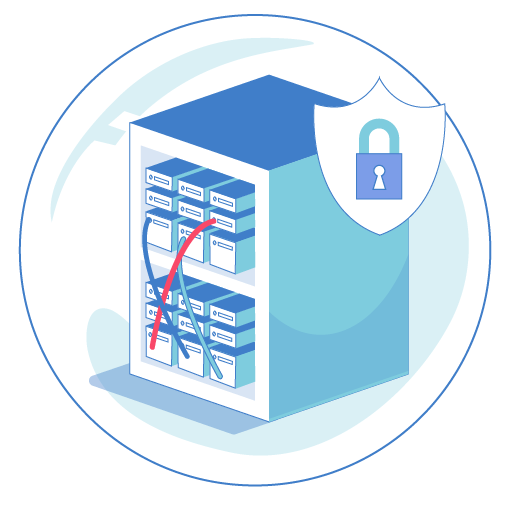
Apply modern, data-centric protection to untouchable core systems without changing a single line of code.
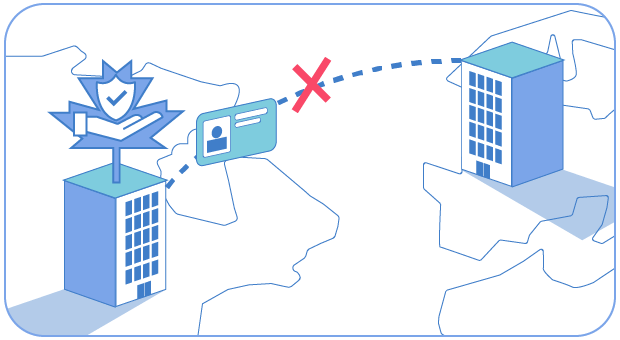
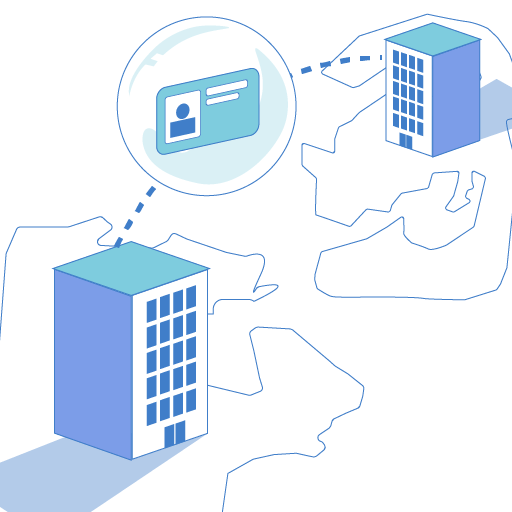
A Canadian insurer was blocked from using Salesforce Marketing Cloud because regulations prohibited PII from leaving Canada.
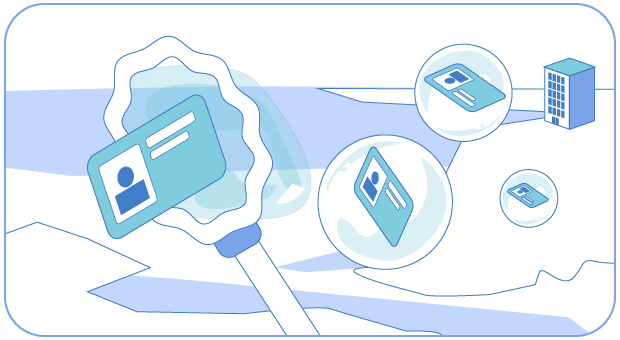
DataStealth sat inline, tokenizing all outbound PII and reversing the process only when data returned, so cleartext never left the country.
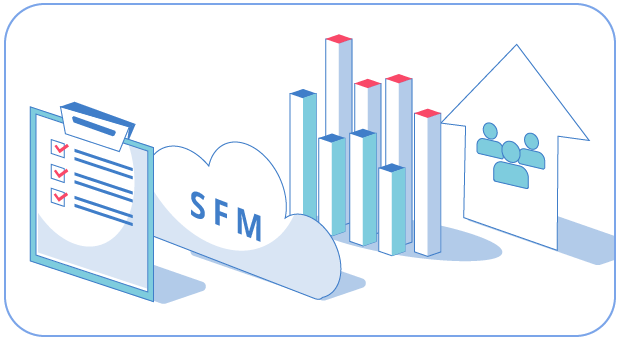
The insurer unlocked Salesforce, improved engagement, and proved to regulators that no sensitive data ever crossed borders.
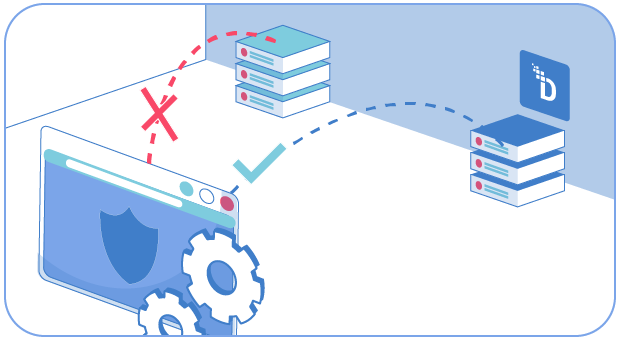
Plug in at the network layer with a simple DNS change. Inspect SQL, HTTP, TN3270, and more – no agents required.

Tokenize or mask PHI before it ever hits a database, SaaS app, or test environment – based on your policies.
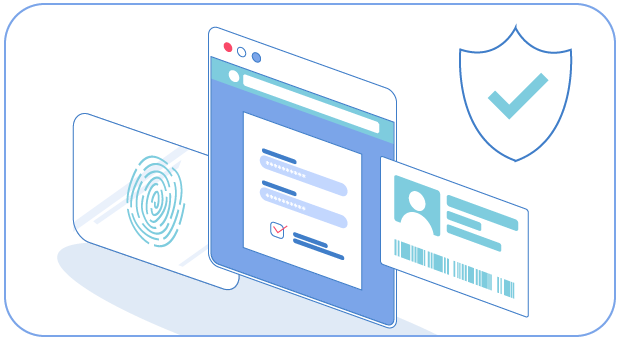
Dynamically unmask only for authorized users. Everyone else sees protected values, reducing insider and third-party risk.
This isn’t a demo. It’s a working session with a DataStealth architect.
Designed to give you a concrete, technically viable roadmap for securing policyholder data across your most complex systems.

Insurers operate at the intersection of two high-risk data categories – PII (policyholder names, addresses, financial records) and PHI (medical histories, diagnoses, claims details, biometric data). Both sit across sprawling technology estates that include legacy policy administration systems, claims databases, adjuster file shares, and increasingly, SaaS platforms.
The core challenge is that these systems can't run modern security agents. Mainframe-era policy platforms and on-premise claims databases are untouchable – yet they hold decades of sensitive data that regulators expect you to discover, classify, and protect.
Regulatory pressure compounds the problem. HIPAA governs PHI handling, state insurance regulations mandate data protection controls, data residency laws restrict where policyholder data can be processed, and DSAR requirements mean you need to locate every instance of an individual's data on demand.
DataStealth addresses all of these by applying protection at the data layer – regardless of which system holds the data.
Claims workflows are PHI-dense – every claim file contains diagnosis codes, treatment details, provider information, and policyholder identifiers. Adjusters access this data from multiple systems – claims databases, document management systems, scanned PDFs, and third-party vendor portals.
DataStealth protects PHI across all of these touchpoints by operating at the protocol layer. When an adjuster queries a claims database, DataStealth inspects the response and applies dynamic masking based on the adjuster's role, location, and access level – e.g., a field adjuster sees the claim details needed for investigation but not the policyholder's SSN or bank account.
For file-based PHI – adjuster notes, medical reports, scanned documents – DataStealth's discovery engine identifies sensitive values inside nested and compressed files and applies tokenization at the content level.
The file remains functional, but the PHI inside it is no longer exploitable. For HIPAA masking best practices specific to insurance, see our dedicated guide.
Most best-in-class insurance SaaS platforms – Salesforce, Guidewire Cloud, Duck Creek, ServiceNow – host data in U.S. or multi-region cloud environments.
For Canadian, European, and APAC insurers subject to data residency regulations, this creates a direct conflict – policyholder data cannot leave the mandated jurisdiction.
DataStealth resolves this by tokenizing PII and PHI in-flight before data reaches the SaaS vendor's servers. The vendor processes format-preserving tokens – not real policyholder data – so no personal information ever leaves the country. Automations, workflows, and integrations function normally because tokens retain the original format and length.
This is proven in production – a Canadian insurer unlocked U.S.-hosted Salesforce Marketing Cloud with zero PII leaving Canada. Auditors confirmed full compliance, and the deployment required no changes to Salesforce itself.
Insurance core systems – mainframes running COBOL/DB2 policy platforms, on-premise claims databases, and batch processing environments – can't accommodate endpoint agents or API-level security integrations. They're architecturally frozen, yet they hold the most sensitive data in the enterprise.
DataStealth protects these systems by operating at the network layer – intercepting database protocols (TN3270, DRDA, JDBC) and file transfer protocols (SFTP, FTP) inline. Sensitive fields are tokenized or masked before data leaves the legacy perimeter – no code changes, no agents, no COBOL rewrites.
For insurers modernizing from on-premise to cloud or hybrid architectures, DataStealth ensures that data flowing from legacy systems to modern platforms is de-identified in transit.
The cloud or SaaS destination only ever receives tokens, eliminating both breach risk and compliance exposure during migration. See how a global insurer protects sensitive data in non-production environments using this approach.