
DataStealth deploys directly inside your data center – on bare metal, VMs, containers, or Kubernetes – so sensitive information never leaves your trust boundary.
From regulated workloads to tightly controlled or even air-gapped environments, you maintain full control without sacrificing protection.

Keep tokenization, masking, and encryption fully inside your environment so there’s no risk of third-party access.

Sensitive fields are transformed before they move between apps, databases, or storage, so raw values never cross your perimeter.

Deploy in disconnected or air-gapped infrastructures to meet national security and critical-infrastructure mandates.

Gateways mask or tokenize sensitive data before it reaches your applications—closing a major attack surface.

SDKs or sidecars safeguard values as they’re written, ensuring older or custom apps meet compliance without code changes.

Batch and streaming workers discover, classify, and remediate data in motion – reducing compliance scope and hidden exposures.

Dynamic masking tailors data visibility to user roles, giving teams the insight they need while keeping sensitive values locked away.
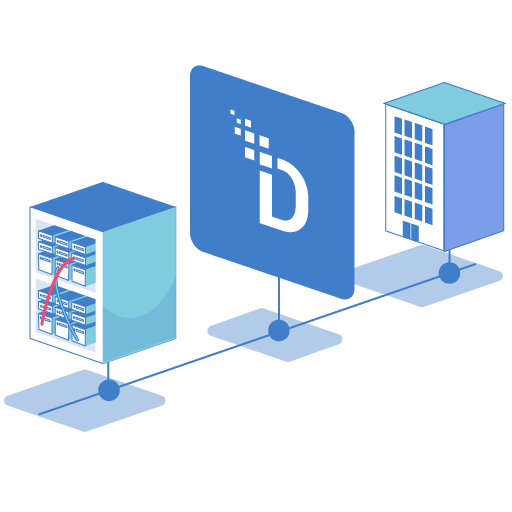
Tokenize or mask fields in real-time by placing DataStealth between apps, users, or services – no code changes required.
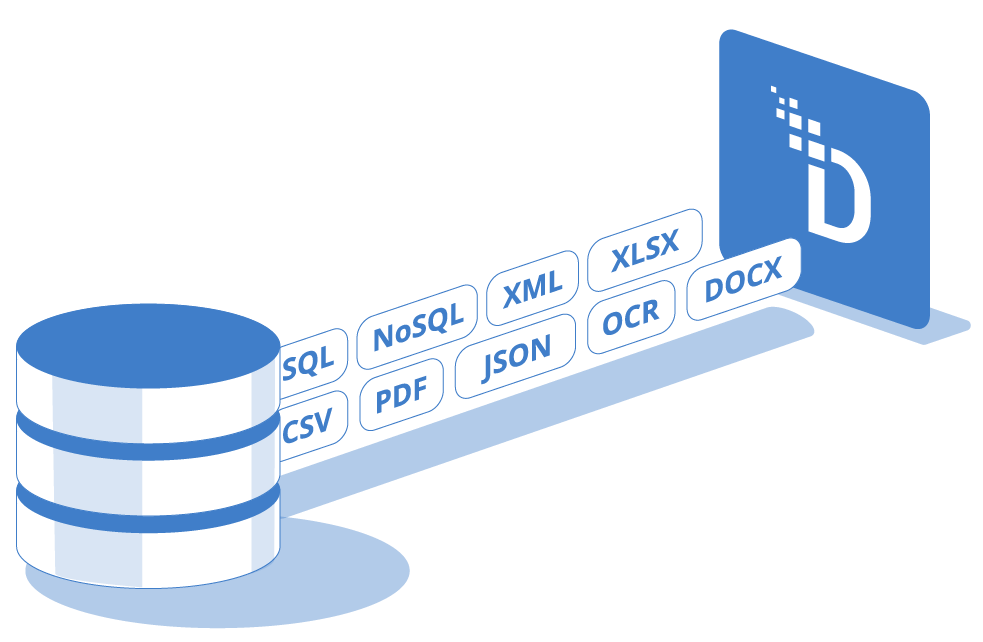
Enforce field-level protection on SQL or NoSQL traffic without modifying your database engine.

Run DataStealth alongside microservices to enforce per-service policies with minimal development effort.
Discover, classify, and protect sensitive data at scale across files, data lakes, and event streams.

Active-active nodes behind your load balancers keep protection continuous – even in restricted or air-gapped deployments.
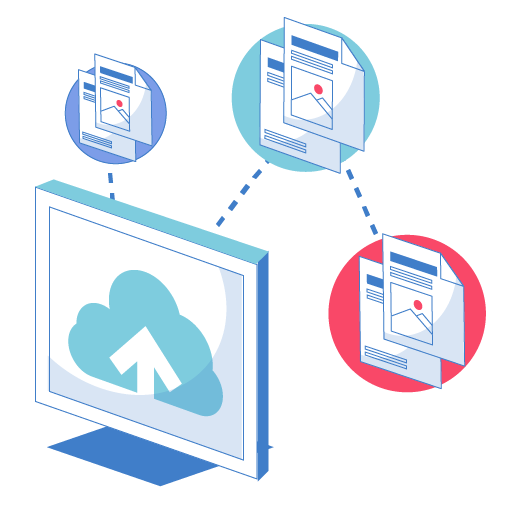
Horizontally scale brokers and workers across bare metal, VMs, or Kubernetes to meet any throughput or latency target.

Policies are managed as code with versioning, approvals, and rollbacks – so enforcement is consistent and error-free.

Every action is logged and exportable to your SIEM, giving you complete traceability and real-time compliance reporting.

Automatically scrub sensitive data before it hits logs, tickets, or traces.

Integrate with your on-prem KMS or HSM for complete control of key generation, storage, and rotation.
See how DataStealth deploys in your data center, secures legacy and modern systems alike, and enforces protection at scale – all without adding complexity or slowing down your teams.