
Neutralize breach risk, de-risk fraud and billing systems, and unlock cloud innovation with one unified, agentless data security platform.
schedule a demoYour most sensitive data – decades of subscriber PII, call metadata, and geolocation records – is split across fragile legacy platforms and sprawling cloud systems, creating compliance gaps and breach risk you can’t afford.
Core fraud and billing systems can’t run agents or be rewritten, leaving petabytes of cleartext data invisible to your security stack – and a prime target.

Subscriber data is endlessly replicated into downstream systems, multiplying your attack surface and making it impossible to prove compliance to boards and regulators.

SaaS fraud detection and analytics tools remain off-limits due to PII exposure and sovereignty rules, leaving you behind more agile competitors.
DataStealth enforces security at the network layer – intercepting, tokenizing, and controlling subscriber data in motion – without disrupting your mainframes, COBOL apps, or SaaS platforms.
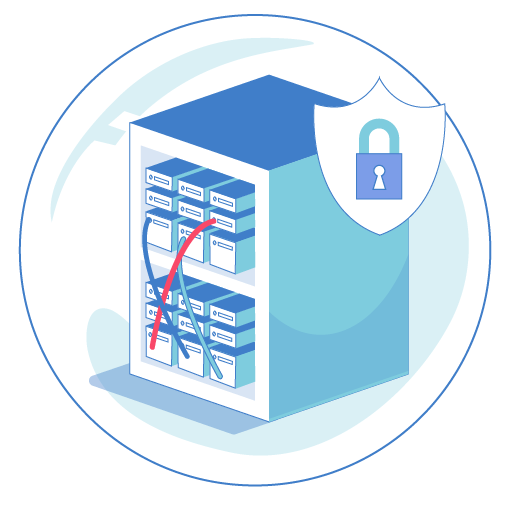
Apply modern, inline protection to mainframes without code changes or agents, closing your biggest blind spot.
Ensure consistent tokenization as data moves from core systems to downstream apps, proving compliance end-to-end.

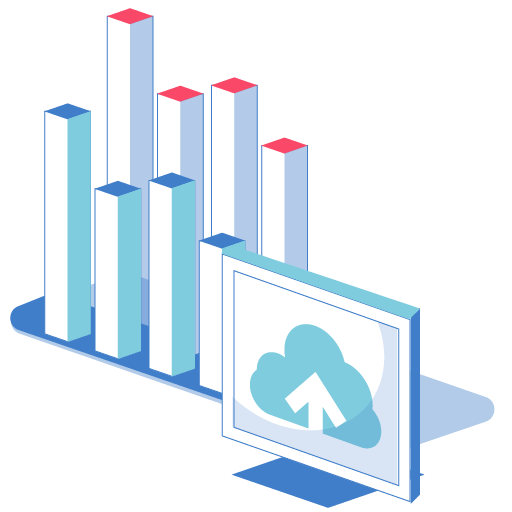
Adopt best-in-class fraud and analytics platforms by neutralizing subscriber PII before it leaves your environment.
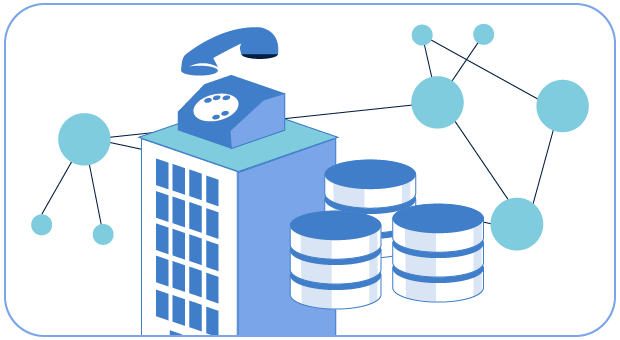
A nationwide telcom giant needed to secure vast volumes of historical subscriber data stored in cleartext on an IBM DB2 mainframe. Application rewrites and agent installs were off the table.
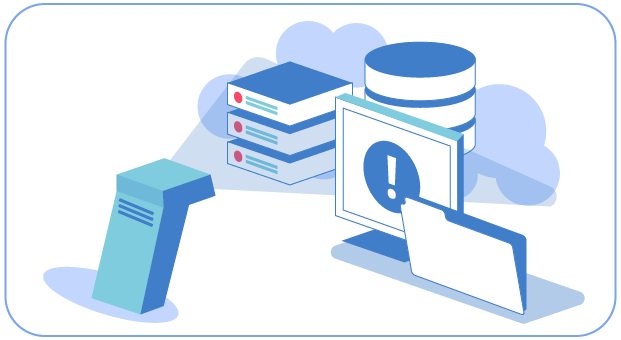
DataStealth was deployed inline, using native DB2 and TN3270 protocols. Sensitive data was vaulted and tokenized in-place, preserving formats and integrity without altering schemas.
The telecom giant eliminated a massive breach risk, met compliance requirements, and created a secure bridge to share legacy data with modern systems – all without touching its mainframe code.
Use production-grade, anonymized test data to build apps faster, without exposing real subscriber records.

Grant conditional access to brokers, partners, and offshore support teams while keeping subscriber data masked or tokenized.
Protect core billing and fraud systems with inline tokenization – no rewrites, no downtime.

Tokenize PII and location data so you can run terabyte-scale analytics without exposing cleartext.
Satisfy CRTC and lawful intercept mandates while neutralizing breach risk with vaulted tokenization.
Apply consistent protection as data flows across replication chains, ensuring provable compliance across your estate.
This isn’t a demo. It’s a working session with a DataStealth architect.
Designed to give you a concrete, technically viable roadmap for securing policyholder data across your most complex systems.

Telecoms sit on some of the largest and most sensitive data estates in any industry – decades of subscriber PII, call detail records (CDRs), geolocation data, device identifiers, and billing histories. This data is spread across mainframes that can't run agents, on-premise billing and fraud platforms, downstream analytics systems, and increasingly, SaaS and cloud environments.
The replication problem is unique to telecom. Subscriber data doesn't stay in one place – it's copied into CRM systems, fraud detection engines, business intelligence warehouses, and partner portals. Each copy multiplies the attack surface and creates another system that must be secured and audited.
Regulators add pressure from every direction – data residency requirements restrict where subscriber data can be processed, CRTC mandates govern Canadian telecoms, and lawful intercept obligations require that certain data remain accessible while still being protected.
DataStealth addresses all of these by applying protection at the data layer – regardless of which system holds the data or where it flows.
Billing and fraud platforms are typically the oldest and most critical systems in a telecom estate – i.e., IBM DB2 mainframes running COBOL applications that process millions of transactions daily. These systems can't accommodate endpoint agents, API-level integrations, or code rewrites.
DataStealth protects them by operating at the protocol layer – intercepting TN3270, DRDA, and SQL traffic inline. Sensitive subscriber fields – names, addresses, account numbers, device identifiers – are tokenized or masked before data leaves the mainframe perimeter. No agents are installed, no schemas are altered, and no application code is modified.
This approach was validated at scale with a nationwide telecom that secured its DB2 mainframe – vaulting and tokenizing historical subscriber data in-place while maintaining full system integrity. For telecoms migrating legacy data to cloud platforms,
DataStealth ensures data is de-identified in transit, so downstream systems store only tokens.
In telecom, subscriber data is replicated across dozens of downstream systems – billing, fraud, analytics, CRM, partner portals, and test environments. Each copy carries the same risk as the original – a breach of any downstream system exposes the same subscriber records.
DataStealth breaks this chain by tokenizing data at the source – i.e., at the point where data leaves the core system. Every downstream copy receives format-preserving tokens instead of cleartext.
Because DataStealth uses deterministic tokenization, the same subscriber ID produces the same token across every system – so joins, analytics, and fraud correlation still work across the replication chain.
The compliance benefit is immediate. Systems that only process tokens are removed from PCI DSS scope, excluded from data residency restrictions (tokens aren't personal data), and carry no breach notification liability. One tokenization decision at the source cascades protection across the entire data estate.
Telecoms face a layered regulatory landscape – CRTC in Canada, FCC and state-level requirements in the US, GDPR in Europe, and data sovereignty laws in virtually every jurisdiction they operate.
DataStealth enforces compliance by tokenizing subscriber PII before it leaves the mandated jurisdiction. When a Canadian telecom needs to use a U.S.-hosted SaaS analytics platform,
DataStealth intercepts the outbound data flow and replaces all PII with tokens – the platform processes tokens, not subscriber data, so no personal information crosses the border.
For lawful intercept and retention mandates, DataStealth's vaulted tokenization architecture ensures that real subscriber data remains accessible to authorized personnel via controlled de-tokenization – while every other system in the estate stores only valueless tokens. Compliance is enforced by architecture from a single platform, not by contractual agreements with each downstream system.